
Your Child’s Dental Development Milestones
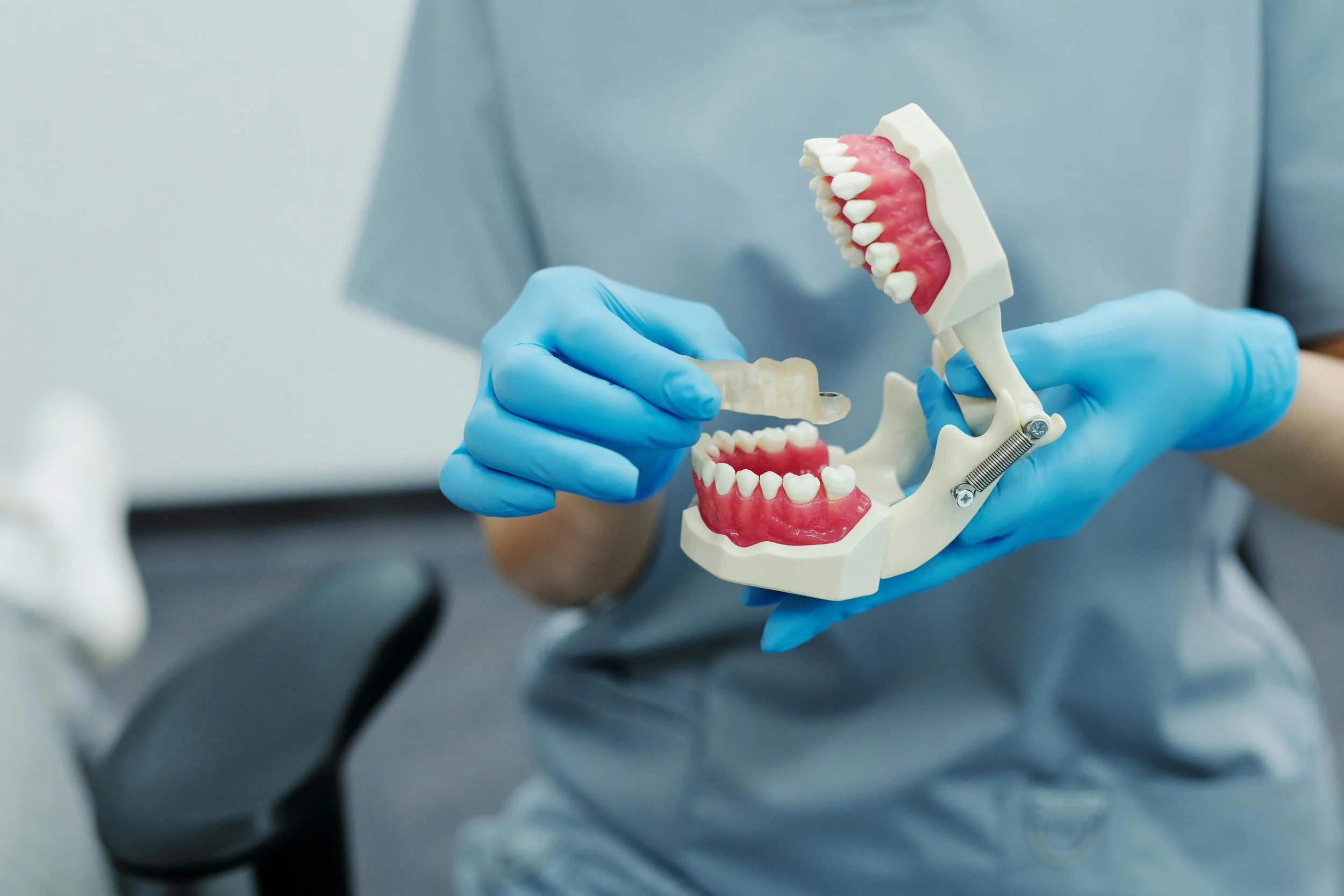
A child’s first smile, first tooth, and first visit to the dentist are all significant milestones. Understanding what to expect as your child’s teeth develop can help you ensure they grow up with a healthy, happy smile. As a leading children's dentist in Logan, we want to empower parents with the knowledge they need to navigate every stage of their child’s dental journey.
This guide outlines the key dental development milestones from birth through adolescence. Knowing what’s normal and when to seek professional advice can make all the difference in fostering a lifetime of good oral health.
Birth to 12 Months: The Foundation is Set
Even before your baby’s first tooth appears, their dental development is already underway. Here’s what happens in the first year:
Primary Teeth Form
Your baby is born with a full set of 20 primary teeth (also known as baby teeth) hidden within their gums. These teeth play a crucial role in helping your child learn to speak, chew, and hold space in the jaw for their future adult teeth.
First Tooth Eruption (6-12 Months)
Around six months of age, the first baby teeth typically begin to erupt. The two bottom front teeth (lower central incisors) are usually the first to appear, followed by the four upper front teeth (upper central and lateral incisors).
This period is often associated with teething, which can cause discomfort, irritability, and drooling. To soothe your baby’s gums, you can gently rub them with a clean finger or offer a firm rubber teething ring.
Dental Care Tip: Begin cleaning your baby's gums even before their first tooth emerges. Use a soft, damp cloth or a silicone finger brush to gently wipe their gums after feedings. Once the first tooth appears, switch to a small, soft-bristled toothbrush and a tiny smear of fluoride toothpaste (about the size of a grain of rice).
1 to 3 Years: A Fuller Smile Emerges
During the toddler years, your child’s smile will rapidly fill out as more primary teeth make their debut.
Molars and Canines Emerge (13-33 Months)
The first molars, which are the larger teeth at the back of the mouth, usually erupt between 13 and 19 months. These are followed by the pointed canine teeth, and finally, the second molars. By around age three, most children will have their complete set of 20 primary teeth.
This is a critical time to establish good oral hygiene habits. Brushing should happen twice a day, and you can begin flossing as soon as two teeth touch.
First Dental Visit
The American Academy of Pediatric Dentistry recommends scheduling your child’s first dental visit when their first tooth appears, or no later than their first birthday. At Wasatch Pediatric Dentistry, we make this first visit a positive and gentle experience. Our team will check for proper development, screen for early signs of cavities, and provide personalized advice for your child’s oral care.
6 to 12 Years: The Transition to Permanent Teeth
This stage marks a major transition as your child begins to lose their baby teeth to make way for their permanent ones.
Losing Baby Teeth
Around age six, children typically start losing their primary teeth, often in the same order they came in. The bottom front teeth are usually the first to go. This process will continue until about age 12. It’s important to reassure your child that losing baby teeth is a normal and exciting part of growing up.
Eruption of Permanent Teeth
As baby teeth fall out, permanent teeth take their place. The first permanent molars, often called "six-year molars," usually appear behind the existing baby teeth before any are lost. These molars are essential for shaping the lower face and affecting the position of other permanent teeth.
Throughout this period, regular visits to your children's dentist in Logan are vital to monitor tooth alignment and jaw development. Sealants and fluoride treatments may be recommended to protect newly erupted permanent teeth from decay.
12 Years and Beyond: The Teen Years
By the early teenage years, most children will have all their permanent teeth except for their wisdom teeth.
Wisdom Teeth (17-21 Years)
The final set of molars, known as wisdom teeth, typically emerge in the late teens or early twenties. Not everyone has wisdom teeth, and for many, there isn’t enough space in the jaw for them to erupt properly. Your dentist will monitor their development through exams and X-rays to determine if they need to be removed to prevent crowding, impaction, or other issues.
During this time, orthodontic evaluation is also common to address any alignment or bite problems.
Partner with Wasatch Pediatric Dentistry
Navigating your child’s dental milestones can feel like a big responsibility, but you don’t have to do it alone. The team at Wasatch Pediatric Dentistry is here to support your family every step of the way, providing expert care in a friendly and comfortable environment.
If you’re looking for a trusted children's dentist in Logan, contact us today to schedule an appointment. Let's work together to build a foundation for your child’s lifelong healthy smile.