
Why Kids Get Cavities And How to Prevent Them
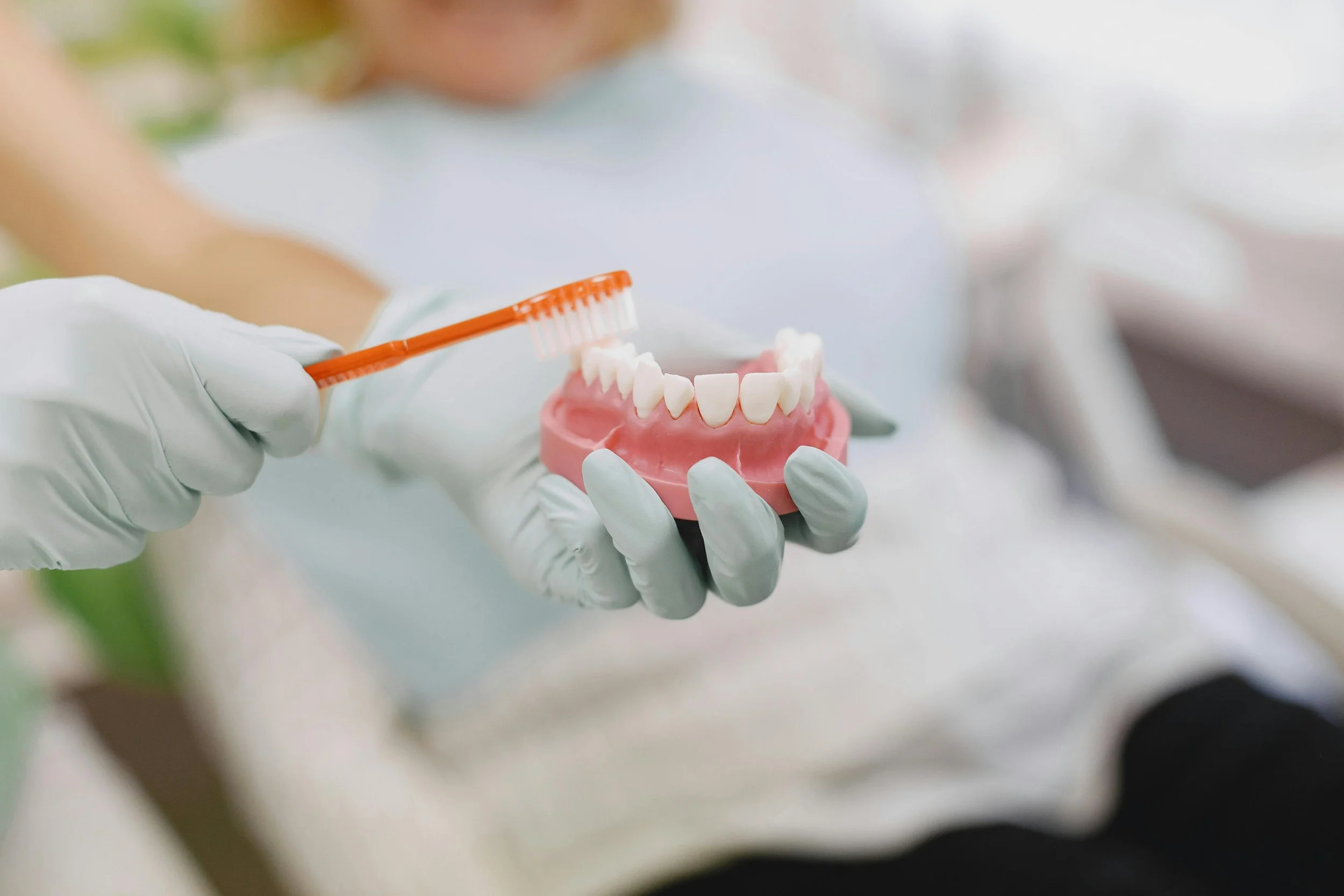
Finding out your child has a cavity can be frustrating for any parent. Even with regular brushing, tooth decay remains one of the most common childhood health issues. Understanding exactly why cavities form is the first step in protecting your little one's smile.
Cavities develop when plaque—a sticky film of bacteria—builds up on the teeth. These bacteria feed on sugars from food and produce acids that slowly eat away at the tooth enamel. Because children have thinner enamel on their baby teeth than adults do, they are especially vulnerable to this decay.
By learning the primary culprits behind tooth decay, you can make simple changes at home to keep their teeth strong. If you are looking for advice from a reliable children's dentist in Cache County, here are the most common causes of cavities in kids.
Frequent Snacking on Sugary Foods
Diet plays a massive role in dental health. Kids naturally love sweet treats, but foods high in sugar are the leading cause of tooth decay. Hard candies, sticky gummies, and even fruit snacks cling to the grooves of the teeth.
Starchy foods like crackers, chips, and cereals are also hidden dangers. These carbohydrates break down into simple sugars in the mouth. When a child snacks continuously throughout the day, their teeth face constant acid attacks without enough time for saliva to wash the food particles away.
Drinking Juice and Soda
Liquid sugar coats the entire mouth. Fruit juices, sports drinks, and sodas expose all the teeth to harmful sugars at once. Sipping on these beverages over a long period extends the amount of time teeth are under attack. Encouraging water between meals helps rinse away food debris and keeps acid levels in the mouth balanced.
Going to Bed with a Bottle
Baby bottle tooth decay is a specific type of cavity that affects infants and toddlers. It happens when a child falls asleep with a bottle filled with milk, formula, or juice. The sugary liquids pool around the baby's front teeth while they sleep. During the night, saliva production slows down significantly, allowing bacteria to thrive and cause rapid enamel breakdown.
Skipping the Brushing Routine
Inconsistent oral hygiene allows plaque to harden into tartar, which can only be removed by a dental professional. Children often lack the manual dexterity to brush effectively on their own until they are around seven or eight years old. When parents leave brushing entirely up to young kids, the back teeth are frequently missed.
Keep Your Child's Smile Healthy
Preventing tooth decay requires a mix of good habits at home and professional care. Help your child brush twice a day using a fluoride toothpaste, monitor their sugar intake, and ensure they drink plenty of water.
Regular dental checkups are essential for catching early signs of decay before they become painful problems. At Wasatch Pediatric Dentistry, our team is dedicated to providing gentle, thorough care to keep your child's teeth in top shape. Schedule your child's next cleaning today and give them the foundation for a lifetime of healthy smiles.